

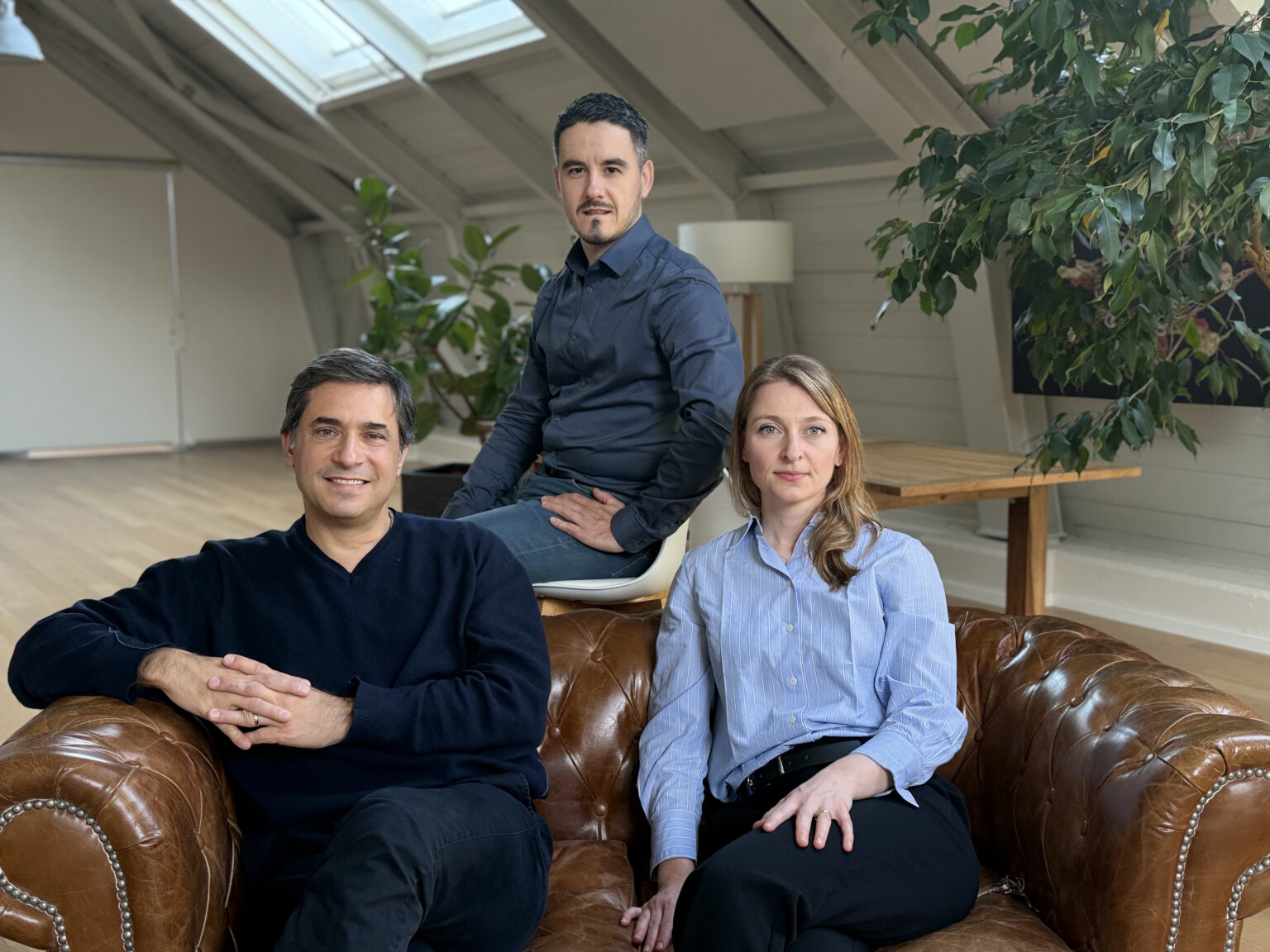

Raising in deep tech is difficult due to extended R&D timelines, high capital intensity, and needing to prove both scientific feasibility and market viability simultaneously. To help other founders in the field learn from Europe’s successes, we invite founders to share the behind-the-scenes reality of their fundraising journeys.
On 12 January 2026, Geneva-based biotech startup FluoSphera announced a €1.23 million (CHF 1.15M) raise in a funding round led by Soulmates Ventures and a Swiss business angel, with participation from IndieBio New York.
The company has developed a patented, multiplexed in vitro platform that combines up to seven human tissue models in a single well to simulate complex organ interactions. By using proprietary fluorescent coding to track these interactions, FluoSphera allows drug developers to predict systemic human responses and potential side effects much earlier in the process, potentially saving hundreds of millions in R&D costs by reducing the 90% failure rate typical of clinical trials.
Deep Tech News Europe reached out to Dr. Clélia Bourgoint, CEO and Co-founder of FluoSphera to learn more about their fundraising experience and lessons learned.
How long did the fundraising take and how much did it impact your or your startup’s daily operations?
“For us, fundraising was a structured process that unfolded over several months and, end to end, including preparation, investor conversations, and diligence, took roughly one year. It required focus from the leadership team, but we were intentional about protecting execution. At peak intensity, it took a meaningful share of my time, so we put a clear operating rhythm in place with weekly milestones, strong internal ownership, and a disciplined approach to follow-ups. The positive outcome is that it pushed us to sharpen our positioning, formalize our roadmap, and articulate our value very clearly, especially in oncology and ADC programs.”
What was the hardest part for you in the fundraising process?
“The hardest part was turning early interest into real commitment.
In deep tech, many investors are excited by the science, but they commit when they can clearly see two things: a credible derisking path and clear signs of commercial traction.
At an early stage, that means consistency matters. We learned that trust is built through regular, high quality communication and tangible progress, not just potential. So we stayed disciplined about sharing updates that were concrete and easy to evaluate, including new technical milestones, third party validation, customer feedback, revenue booked or secured, and a clear view of our near term pipeline. Over time, those signals shift the conversation from “this could be great” to “this is working and it is accelerating.” That’s when conviction forms.”
What is some good advice you received during the process that you’d recommend others in a similar situation to heed?
“One of the most valuable pieces of advice I received is that fundraising is fundamentally about finding aligned long term partners, not just securing capital. It is not simply about getting a “yes”, it is about choosing the right people to build with, because that relationship will influence your company’s trajectory for years. When you invest in genuine relationships and test for real alignment, including how they view risk, how they show up for founders, their time horizon, and what they expect from the partnership, the process becomes both more efficient and more meaningful. The right investors bring more than money. They bring clarity, constructive challenge, and steady support when things get hard. That is the mindset I would strongly encourage any founder to adopt.”
What’s some bad/overrated/irrelevant advice or fundraising truism you’d invite other European deep tech founders to ignore?
“One piece of overrated advice I would invite founders to ignore is: “Don’t start fundraising until your deck is perfect.” The deck will improve through real conversations. It is far better to begin with a solid version that clearly shows the vision and the strategic path to reach it, and to iterate quickly based on what investors actually ask and react to.
What matters even more than perfection is responsiveness. Fundraising is a continuous dialogue. Investors are evaluating not only the opportunity, but also how you operate.
Being able to answer questions clearly, share additional information quickly, and follow up with the right data builds trust. Being authentic and transparent about what you know, what you do not know yet, and how you plan to derisk creates credibility and alignment. In short, start early, iterate fast, respond quickly, and stay authentic. That combination turns conversations into conviction and long term partners.”